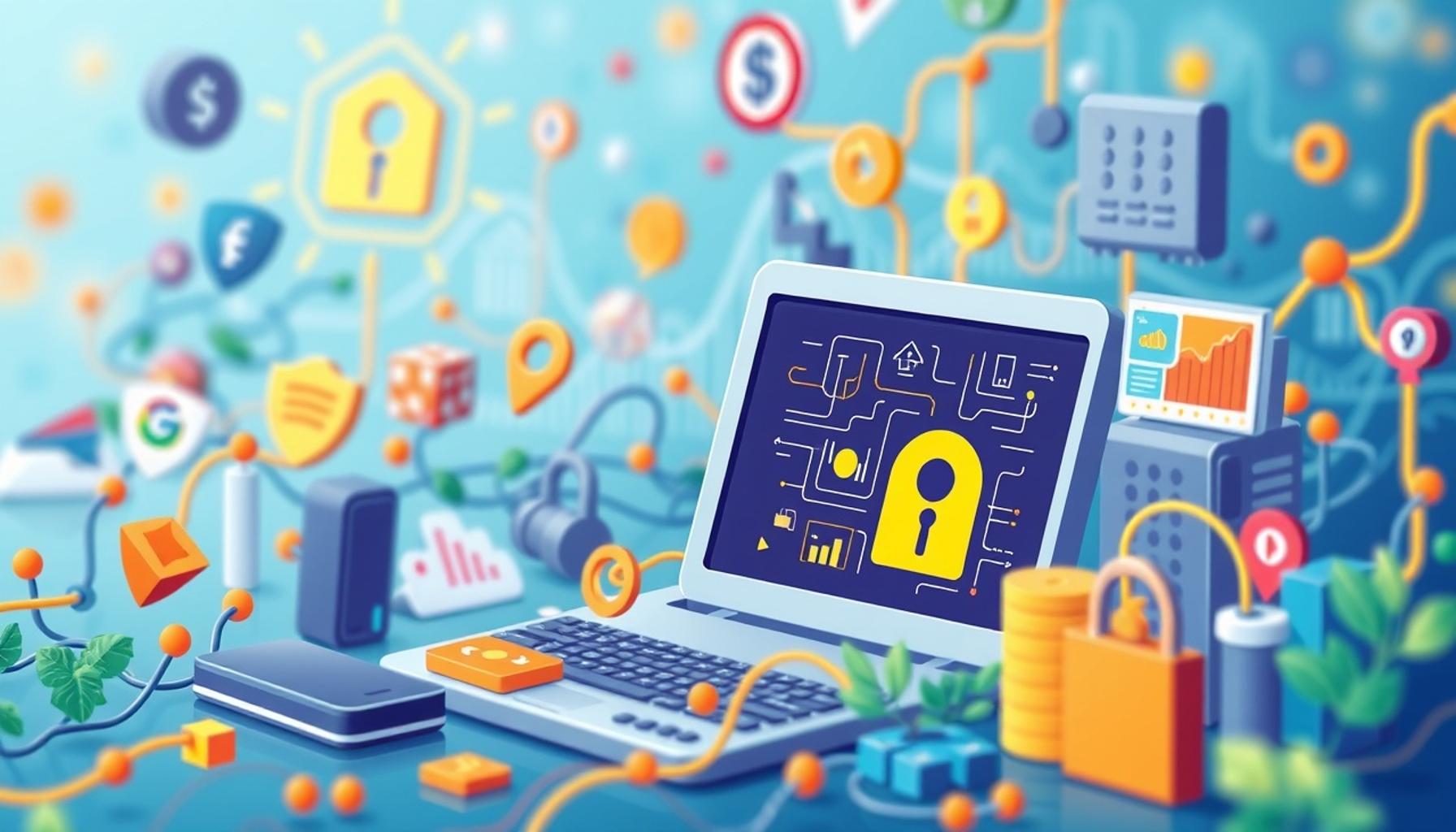
Cybersecurity in Remote Work Environments: Best Practices and Technologies
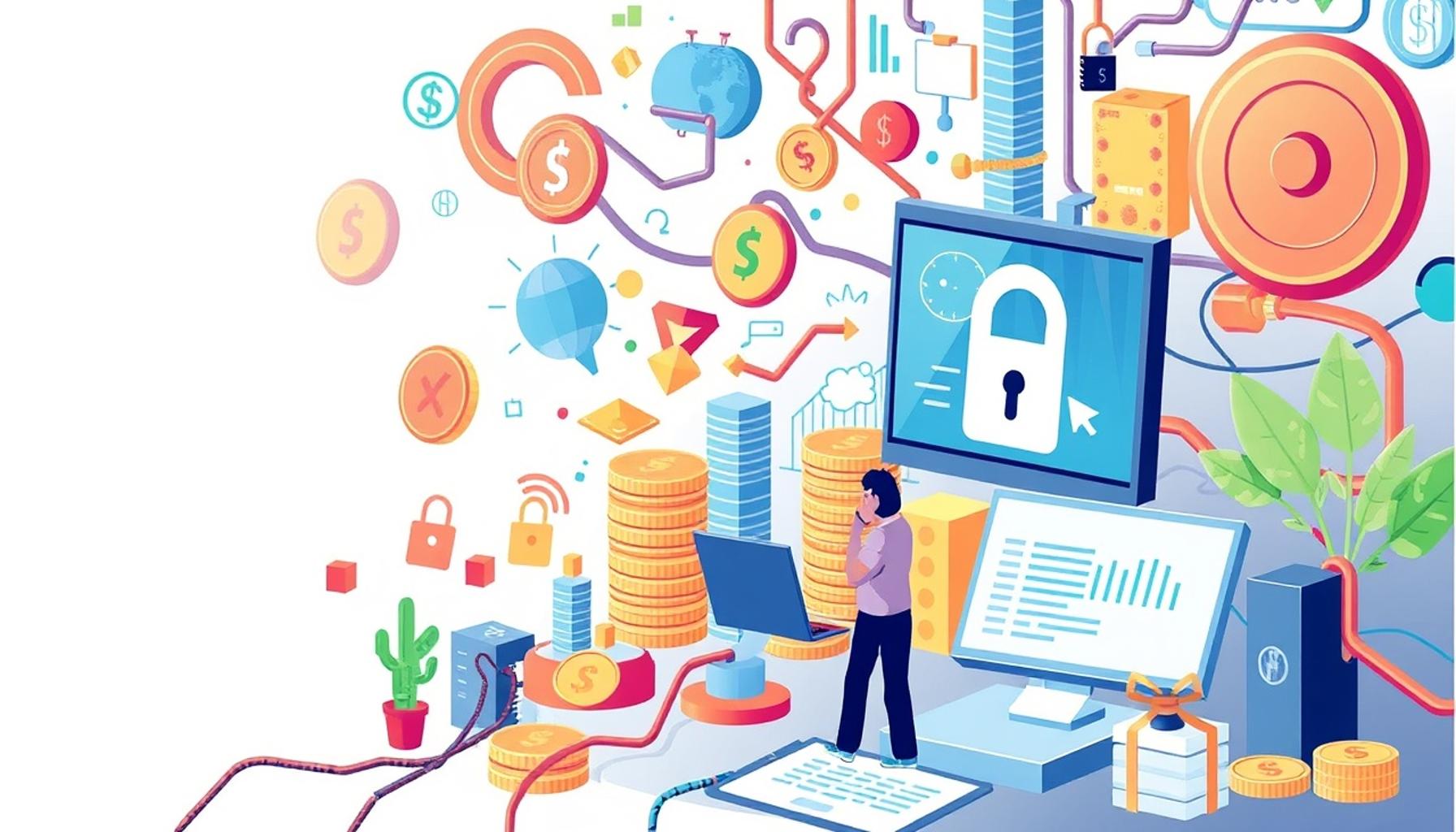
Understanding the Importance of Cybersecurity in Remote Work
With the surge in remote work, particularly following the recent global events, businesses are facing unprecedented cybersecurity challenges. Employees accessing company networks from various locations, often using personal devices and public Wi-Fi, increases the potential entry points for cybercriminals. This vulnerable scenario necessitates a proactive approach to cybersecurity that emphasizes protective measures to safeguard sensitive data.
Implementing effective cybersecurity strategies is vital not just for the protection of the organization but also for maintaining trust with clients and partners. A single data breach can result in significant financial losses and irreparable damage to a company’s reputation. Thus, organizations must adopt best practices to mitigate these risks.
Best Practices for a Secure Remote Work Environment
- Utilize VPNs: A Virtual Private Network (VPN) is essential for encrypting internet connections. By routing data through a secure server, a VPN protects sensitive information from potential interception by hackers. For example, employees can safely access company resources while working from coffee shops or coworking spaces without fearing data theft.
- Regular Software Updates: Keeping software up-to-date is crucial. Software developers frequently release updates that address newly discovered vulnerabilities. By ensuring that all applications, including operating systems and security software, are regularly updated, businesses can shield themselves from exploits that take advantage of outdated systems.
- Strong Password Policies: Encouraging the use of complex, unique passwords is a fundamental step in enhancing security. Businesses can implement password managers that help employees generate and store secure passwords. For example, using a mix of uppercase and lowercase letters, numbers, and symbols can significantly decrease the chances of a successful brute-force attack.
Leveraging Technology for Enhanced Security
Beyond best practices, leveraging technology is essential in creating a secure remote work environment. Organizations should consider the following tools:
- Multi-Factor Authentication (MFA): This adds a second layer of security by requiring users to verify their identity through multiple forms of authentication, such as a text message code or a fingerprint scan, in addition to their password. This is particularly important for protecting sensitive accounts and data.
- Endpoint Security Solutions: As employees work on various devices—from laptops to smartphones—endpoint security solutions are crucial. These tools help monitor and protect devices from malware, unauthorized access, and other threats by ensuring that every device connected to the network meets security standards.
- Secure Collaboration Tools: For remote teams, using secure collaboration tools is vital for communication and project management. Platforms such as Microsoft Teams or Zoom that offer end-to-end encryption can help ensure that conversations and shared documents remain confidential and protected from prying eyes.
By understanding and implementing these best practices and technologies, organizations can establish a more secure remote work environment. This not only protects the interests of employees and customers but also fosters a culture of cybersecurity awareness and responsibility throughout the organization.
DISCOVER: Click here to learn about cutting-edge innovations in sustainable e-commerce
Key Strategies to Ensure Cybersecurity in Remote Work
The shift toward remote work has brought significant advantages, including greater flexibility and productivity. However, it has also exposed organizations to new cybersecurity vulnerabilities that need to be actively managed. In today’s landscape, remote workers often access company data from various locations and devices, which increases the risk of cyber threats. To address these challenges, organizations must adopt robust cybersecurity measures, and implementing effective strategies is essential for protecting sensitive information. Below are some key strategies that can help enhance cybersecurity for remote work settings.
Training and Awareness Programs
One of the most effective ways to strengthen cybersecurity is through comprehensive training programs tailored to remote employees. Since employees serve as the first line of defense against cyber threats, it is crucial that they understand potential risks and how to mitigate them. Regular training sessions should encompass various topics, including:
- Identifying Phishing Attempts: Employees should learn how to spot phishing emails by recognizing unusual sender addresses, suspicious attachments, and unexpected requests for sensitive information. For example, an email that asks for login credentials but appears to come from a trusted source may actually be an attempt to steal personal information.
- Safe Internet Browsing Practices: Training should cover best practices for secure browsing, such as ensuring websites use HTTPS and avoiding clicking on unknown links. Employees should be encouraged to double-check URLs before accessing them.
- Recognizing Suspicious Activity: Employees should be encouraged to report any unusual or suspicious behavior, such as unexpected pop-ups or sudden changes in their accounts, which may indicate potential security breaches.
Developing a Remote Work Policy
Creating a clear and concise remote work policy is vital for providing employees with a framework for secure remote operations. This policy should outline the cybersecurity protocols that employees are expected to follow. Key components may include:
- Device Management: Organizations should specify which devices are authorized for work-related tasks. This includes ensuring that employee laptops and mobile devices have the latest security software installed to defend against malware.
- Guidelines for Using Public Wi-Fi: Employees should be informed about the risks associated with public Wi-Fi networks, such as data interception. Organizations should advise workers to use a secured Virtual Private Network (VPN) to encrypt their internet connection when accessing sensitive data on public networks.
- Reporting Security Incidents: A clearly defined process for reporting suspicious activity or potential security breaches should be established. Encouraging prompt reporting enables faster response times and helps limit the potential impact of any threats.
Implementing Data Encryption
Data encryption serves as a fundamental aspect of cybersecurity, safeguarding sensitive information during transmission and storage. By utilizing encryption techniques, organizations can ensure that even if data is intercepted, it remains unreadable without the appropriate decryption keys. This means that whether employees are sending confidential emails, transferring files, or conducting video conferences, encryption protects the integrity of the information. Additionally, this practice reassures clients and partners about the security of their data, thereby fostering trust and enhancing business relationships.
By employing these strategies, organizations can significantly fortify their cybersecurity framework for remote working environments. It is essential to cultivate a culture of vigilance among employees and equip them with both knowledge and tools that empower them to act decisively in the face of cyber threats. Ultimately, a well-informed and proactive workforce stands as one of the most robust defenses against the multifaceted risks of cybersecurity today.
DISCOVER MORE: Click here for tips on getting free products from Shein
Advanced Technologies and Tools for Cybersecurity
As threats to cybersecurity continue to evolve, organizations can leverage advanced technologies to enhance their remote work security. The implementation of robust technological solutions can significantly mitigate risks and provide better protection for sensitive information. Below are some effective technologies and tools that companies should consider incorporating into their cybersecurity strategy for remote work environments.
Multi-Factor Authentication (MFA)
Multi-Factor Authentication (MFA) adds an additional layer of security by requiring users to verify their identity through multiple methods before gaining access to sensitive data or applications. For example, after entering a password, an employee may need to input a code sent to their mobile device or approve access via a dedicated authentication app. This approach significantly reduces the likelihood of unauthorized access, even if login credentials are compromised. Companies like Google and Microsoft have implemented MFA options, emphasizing its importance in strengthening security measures around their cloud services.
Virtual Private Network (VPN) Solutions
Virtual Private Networks (VPNs) play a crucial role in securing internet connections for remote workers. By encrypting data transmitted over the internet, VPNs protect information from eavesdroppers, especially when employees use public Wi-Fi. Encouraging the use of a company-approved VPN ensures that employees can access corporate resources securely. Organizations should provide clear instructions on how to set up and use the VPN effectively, making it an integral part of their remote work policy.
Endpoint Security Solutions
Endpoint security solutions are essential for managing and safeguarding all devices connected to the organization’s network. This includes laptops, smartphones, and tablets used by remote employees. Implementing endpoint security software can help detect and respond to potential threats in real time. For example, solutions like anti-virus software and intrusion detection systems can protect devices from malware and other attack vectors. Organizations should also consider deploying mobile device management (MDM) solutions, which allow for the enforcement of security policies across all devices, ensuring that only compliant devices can access company resources.
Regular Software Updates and Patch Management
Outdated software can expose organizations to significant vulnerabilities. Regularly updating software and applying necessary patches is a fundamental practice in maintaining cybersecurity. Organizations should implement a patch management strategy that automatically updates operating systems and applications on employee devices. A simple reminder for employees to enable automatic updates can help ensure they are using the most secure versions of the software.
Incident Response Plan
A well-defined incident response plan is vital for efficiently handling security breaches and minimizing potential damage. This plan should detail the steps employees should follow in the event of a security incident, such as reporting the issue, containing the breach, and communicating with other team members. Regular drills and testing of this plan will ensure that employees are prepared and aware of their roles in safeguarding the organization’s data. The more concise and actionable the incident response plan, the quicker the organization can recover from a cyber threat.
By embracing these advanced technologies and tools, organizations can significantly bolster their cybersecurity posture within remote work environments. A proactive approach, coupled with continuous monitoring and improvement, is fundamental in creating a secure remote workplace that protects sensitive information and builds trust among employees, clients, and partners alike.
DIVE DEEPER: Click here to uncover more insights
Conclusion
Ensuring robust cybersecurity in remote work environments is not just a technological challenge; it’s a fundamental necessity for modern organizations. As the workforce increasingly operates from diverse locations, the potential exposure to cyber threats diversifies as well. By implementing best practices—such as employee training, regular security assessments, and maintaining strong communication protocols—organizations can lay a solid foundation for a secure remote environment.
Alongside these practices, leveraging advanced technologies like Multi-Factor Authentication (MFA), Virtual Private Networks (VPNs), and effective endpoint security systems are crucial in reinforcing defenses against potential breaches. Regular software updates and an actionable incident response plan ensure that organizations can swiftly adapt to new threats and recover from incidents efficiently.
Organizations should remember that the responsibility for cybersecurity does not solely lie with the IT department; it requires a collaborative approach where every employee is aware of their role in protecting sensitive data. Continuous education and awareness foster a culture of security that will act as the first line of defense against cyber threats.
In closing, the integration of these strategies and technologies not only enhances security but also empowers organizations to thrive in a digital-first landscape. As we move forward, a commitment to proactive cybersecurity measures will be essential in protecting both company assets and customer trust.

Linda Carter
Linda Carter is a writer and fashion content specialist who focuses on Shein, online shopping trends, and style discoveries. With extensive experience helping readers explore affordable fashion, understand shopping tips, and make smarter purchase decisions, Linda shares her insights on our platform. Her goal is to empower readers with practical advice and useful strategies to navigate Shein’s offers, discover new trends, and enjoy a more confident and informed shopping experience.