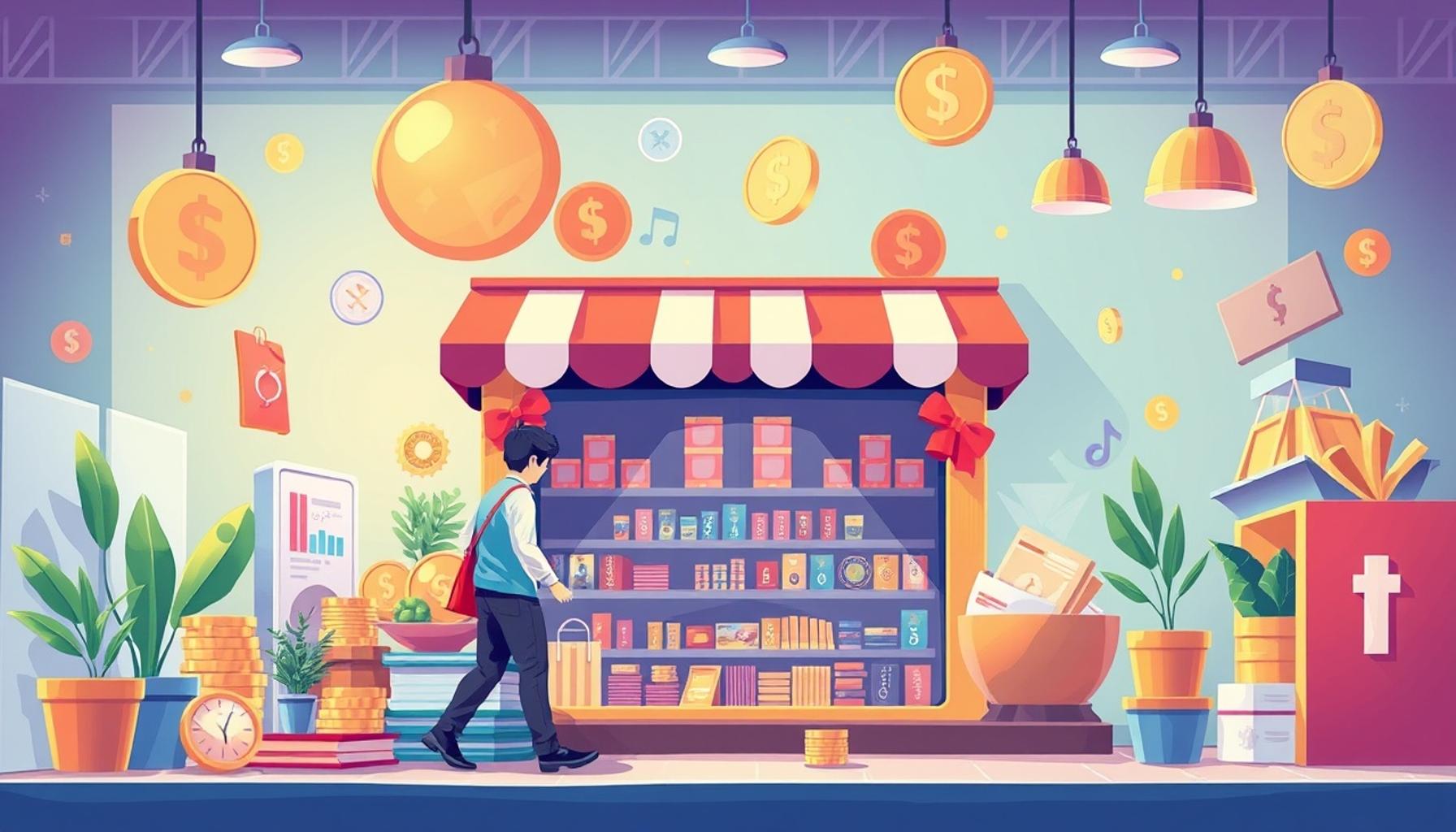
Gamification Strategies to Increase Customer Engagement in Online Businesses

Understanding Gamification in Business
In an era where consumer attention is increasingly fragmented due to digital distractions, businesses are tasked with devising innovative strategies to not only attract customers but also to keep them coming back. Gamification has emerged as a powerful tool in this regard, utilizing game-like elements to enhance the overall customer experience. But what constitutes gamification, and how can it be effectively implemented in business?
At its core, gamification incorporates various elements traditionally found in games into non-gaming environments, particularly in marketing and customer service. Here are some key features that define this approach:
- Points and Rewards: Systems where customers earn points for various activities—such as making purchases, referring friends, or engaging with social media—create a tangible incentive for participation. For instance, Starbucks’ rewards program allows customers to earn stars with every purchase, which can be redeemed for free drinks or food. This encourages repeat visits and increases customer loyalty.
- Leaderboards: By fostering a competitive spirit, businesses can motivate customers to engage more. For example, fitness app Strava ranks users based on their performance, motivating runners and cyclists to push their limits to climb higher on the leaderboard, which can drive ongoing engagement with the platform.
- Challenges and Quests: Presenting customers with tasks or missions not only keeps their interest alive but also creates an element of excitement in their interactions. Duolingo, the language-learning app, incorporates daily challenges and streaks, encouraging users to engage with educational content on a regular basis, thereby enhancing learning outcomes.
The integration of gamification strategies can yield substantial benefits for businesses. Here’s how:
- Boost engagement: Customers are more likely to return and interact with a business when they feel a sense of accomplishment through rewards and progress tracking. For example, many e-commerce sites gamify shopping experiences with limited-time offers, urging customers to act quickly for rewards, which can significantly enhance sales.
- Enhance brand loyalty: Providing enjoyable experiences through gamified elements fosters deeper emotional connections with brands. When customers feel appreciated and excited about their engagement with a brand, they are more likely to remain loyal.
- Collect valuable data: Gamification can also be a strategic tool for gathering insights on customer behaviors and preferences. By analyzing how customers interact with gamified systems, businesses can tailor their marketing strategies to better align with customer interests.
As we explore the potential of gamification further, we will discuss specific strategies and highlight successful case studies that can help businesses fully unlock customer engagement in the online marketplace. By embedding these interactive features, organizations can not only improve customer satisfaction but ultimately drive higher sales and increase their market share.
DIVE DEEPER: Click here to learn best practices
Effective Gamification Strategies for Online Business
To harness the full potential of gamification and enhance customer engagement, online businesses can implement several targeted strategies. Each can be tailored to fit various industries and customer segments, ensuring a unique experience that speaks to the consumers’ preferences.
Here are some effective gamification strategies:
- Personalized Experiences: Tailoring game mechanics to individual customer profiles elevates engagement levels. For instance, many online retailers use past purchase behavior to recommend products, while also providing personalized challenges or rewards that cater specifically to each user’s interests. Amazon’s recommendation engine is an excellent example, as it creates a tailored shopping experience that encourages further exploration and interaction.
- Milestones and Progression Levels: Establishing clear milestones serves as a motivator for customers to progress through their interaction with a brand. Companies can set up levels that users can achieve, with concrete rewards for reaching each milestone. For example, an online membership site might allow free members to unlock additional features or discounts at different levels, incentivizing users to engage more deeply with the content.
- Time-Based Activities: Introducing time-sensitive challenges encourages immediate participation while increasing excitement and urgency. A great example is a flash sale where customers can earn double points on purchases made within a specified time frame. This strategy not only drives traffic but also cultivates a sense of urgency that is often effective in prompting immediate action.
- Feedback Mechanics: Providing instant feedback through interactive elements enhances customer experience, making them feel more involved in their actions. For instance, progress bars, notifications, or congratulatory messages when achieving goals can reinforce positive behavior and encourage continued interaction. Fitness apps like MyFitnessPal show users their progress toward goals, motivating them to stay engaged.
- Community Engagement: Creating opportunities for customers to interact with one another through forums or social features can enhance loyalty and engagement. Online platforms such as gaming communities encourage users to share achievements, tips, and accolades, creating a supportive environment and encouraging others to participate.
By implementing these strategies, businesses not only enhance the user experience but also build a dedicated customer base that feels valued and engaged. The objective here is to cultivate a community where participation is rewarded and acknowledged, thus fostering brand loyalty and encouraging repeat visits.
As we delve further into gamification, it is essential to analyze successful case studies that illustrate these strategies in action. By learning from businesses that have effectively integrated gamification into their customer engagement models, other companies can draw inspiration and adapt these ideas to suit their unique needs.
DISCOVER MORE: Click here to dive deeper
Inspiring Gamification Examples from Successful Brands
To better understand how gamification strategies can be effectively implemented, let’s explore some inspiring examples from well-known brands that have successfully integrated gamification into their user experiences.
Starbucks’ Rewards Program: Starbucks has incorporated gamification into its rewards program, which encourages customer loyalty through point accumulation and incentivized interaction. Customers earn stars for purchases, which can then be exchanged for free drinks and food items. The program features several tiers as customers accumulate points, enhancing the sense of accomplishment. Additionally, Starbucks regularly introduces limited-time challenges, such as earning double stars on specific days, captivating customers and motivating them to plan their visits around these promotions.
Dunkin’ Donuts’ DD Perks: Similar to Starbucks, Dunkin’ Donuts has crafted a loyalty program known as DD Perks, where members earn points with every purchase. The platform also engages users through gamification by allowing them to track their progress toward rewards visibly. For example, special promotions for signing up and sharing on social media encourage users to engage with the brand beyond just transactions, fostering a community feel and enhancing customer retention.
Duolingo: In the realm of education, the language-learning platform Duolingo has utilized gamification to keep learners motivated. Users can earn points and levels as they complete lessons, while challenges and streaks encourage daily practice. The app employs friendly competition through leaderboards, showing users how they rank compared to friends and fellow learners. This visual representation of progress and the social aspect can drive users to engage more consistently with the learning process, resulting in higher retention rates.
Fitbit: Another remarkable example comes from Fitbit, a brand that successfully blends fitness tracking with gamification. Users can set fitness goals and challenges, and as they achieve these, they earn badges and accolades. The application encourages sharing achievements with friends or competing in challenges, tapping into social motivation to enhance user participation. By creating a community around healthy lifestyles, Fitbit fosters ongoing engagement and loyalty among its users.
Sephora’s Beauty Insider: Sephora introduces gamification elements into its Beauty Insider program, which rewards customers for making purchases and engaging with the brand. Each dollar spent translates to points that can be redeemed for various beauty products. Furthermore, Sephora often gamifies product launches through exclusive events and challenges that allow users to earn extra points or early access to new products. This approach enhances excitement around the brand while encouraging customers to actively participate in their beauty journey.
These case studies illustrate how effectively applied gamification strategies can transform customer interactions. By fostering engagement through personalized experiences, rewards, and community elements, businesses can cultivate a deeper connection with their consumers. The key takeaway is that whether it’s through a loyalty program, educational platform, or fitness initiative, gamification encourages not just participation but also brand loyalty and a sense of belonging.”
DISCOVER MORE: Click here to learn about using cybersecurity as a competitive edge
Conclusion
In the competitive landscape of online businesses, implementing gamification strategies has emerged as a powerful tool to enhance customer engagement. As demonstrated through the success stories of brands like Starbucks, Dunkin’ Donuts, Duolingo, Fitbit, and Sephora, gamification effectively motivates customers by turning everyday interactions into rewarding experiences. This not only boosts customer loyalty but also fosters a community-driven atmosphere where consumers feel connected to the brand.
At its core, successful gamification hinges on understanding your audience and designing experiences that resonate with them. Through points, challenges, progress tracking, and social elements, businesses can create a framework that not only encourages repeat interactions but also cultivates a sense of achievement and satisfaction among users. Additionally, harnessing the power of friendly competition can lead to increased participation, further driving engagement.
As you consider incorporating gamification into your business model, remember that it is important to be thoughtful and strategic. Ensure your gamification elements are aligned with your brand values and the desires of your consumers. By doing so, you can create a more meaningful connection with your audience, transforming casual customers into loyal advocates. Looking ahead, the ongoing evolution of gaming technology and customer preferences will undoubtedly continue to shape the future of gamification, making it an essential strategy for businesses seeking to thrive in a digital world.

Linda Carter
Linda Carter is a writer and fashion content specialist who focuses on Shein, online shopping trends, and style discoveries. With extensive experience helping readers explore affordable fashion, understand shopping tips, and make smarter purchase decisions, Linda shares her insights on our platform. Her goal is to empower readers with practical advice and useful strategies to navigate Shein’s offers, discover new trends, and enjoy a more confident and informed shopping experience.