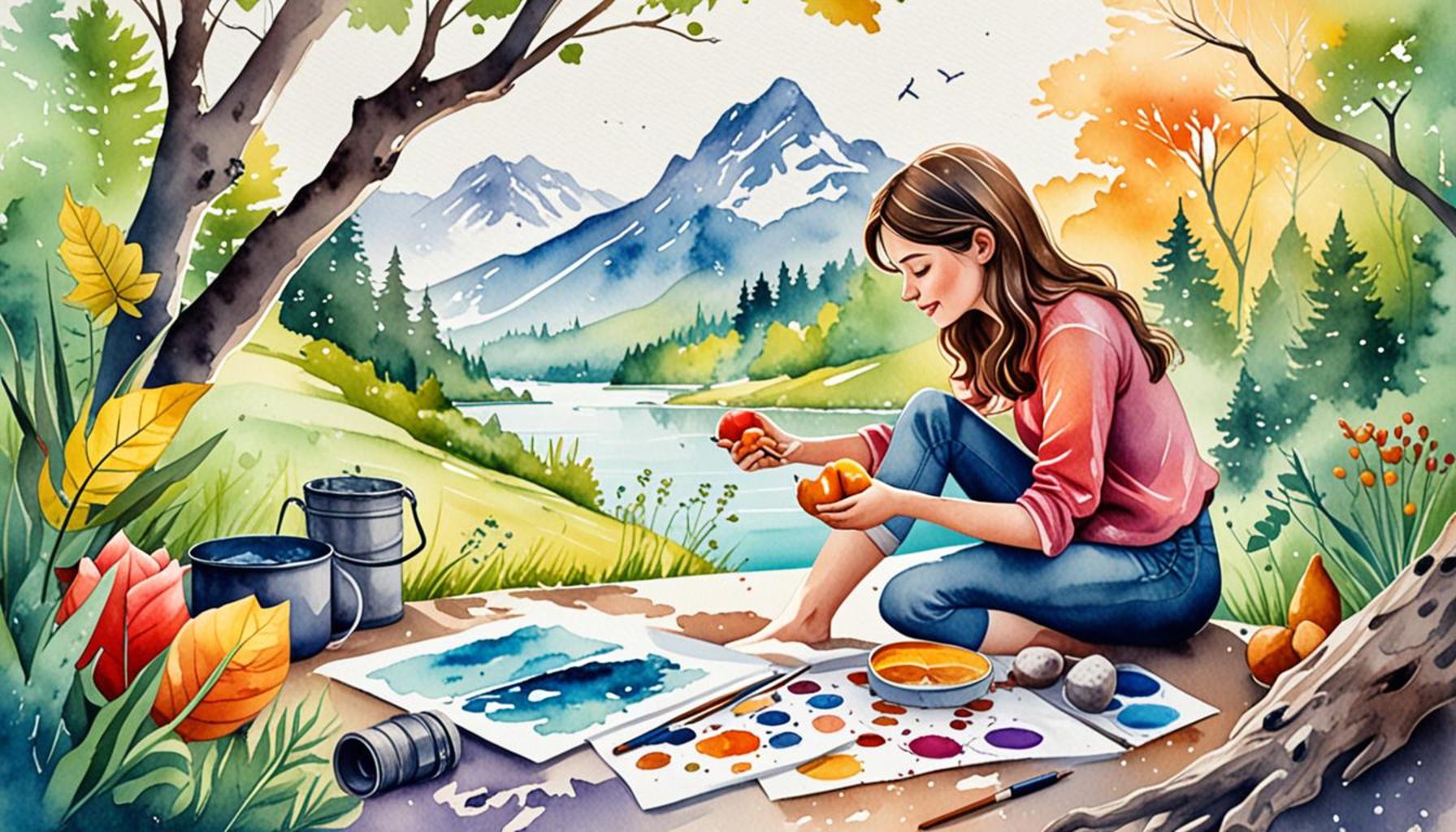
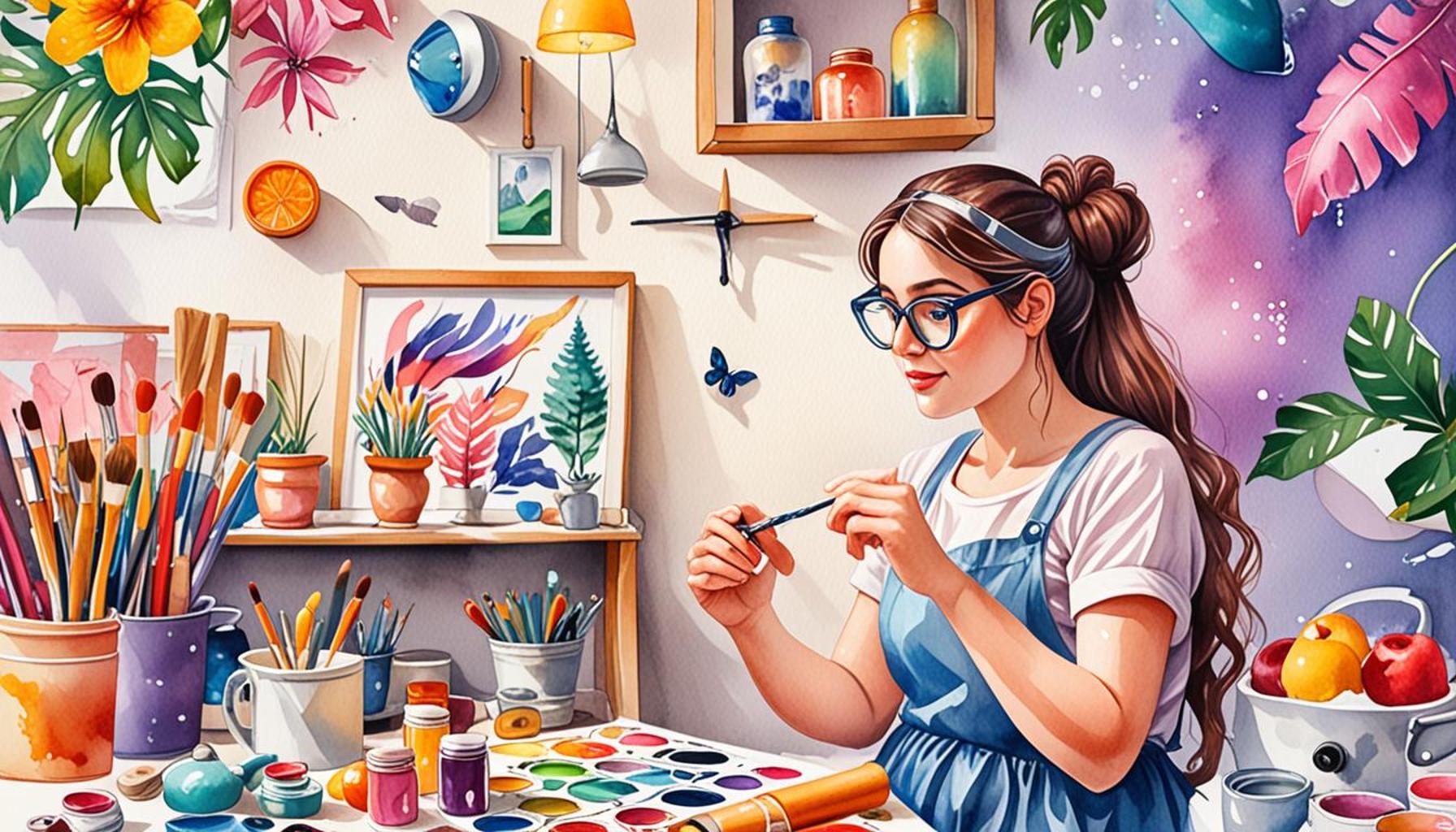
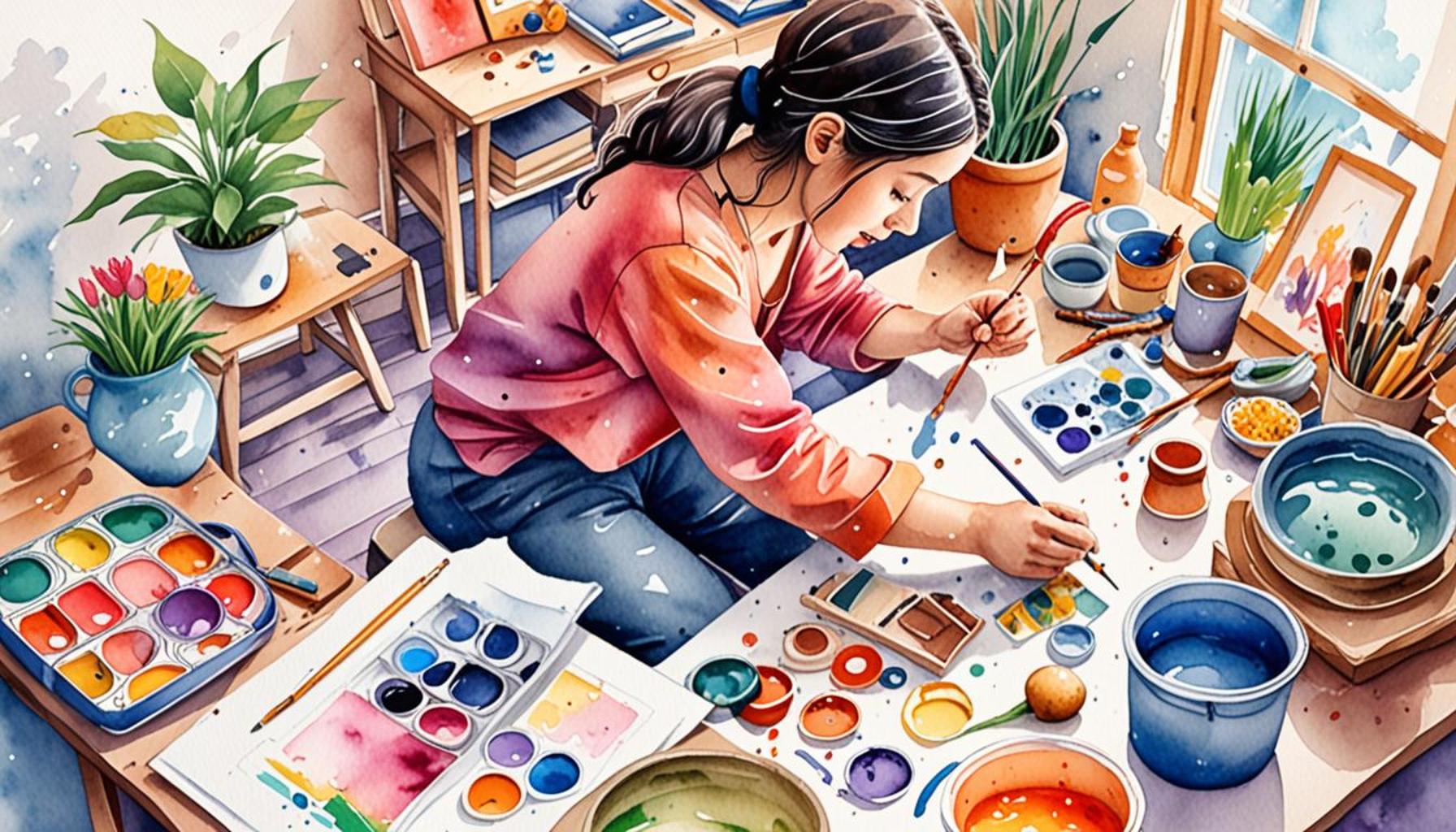
The Evolution of Handicrafts in the Modern Era: How Manual Hobbies Are Reinventing Themselves
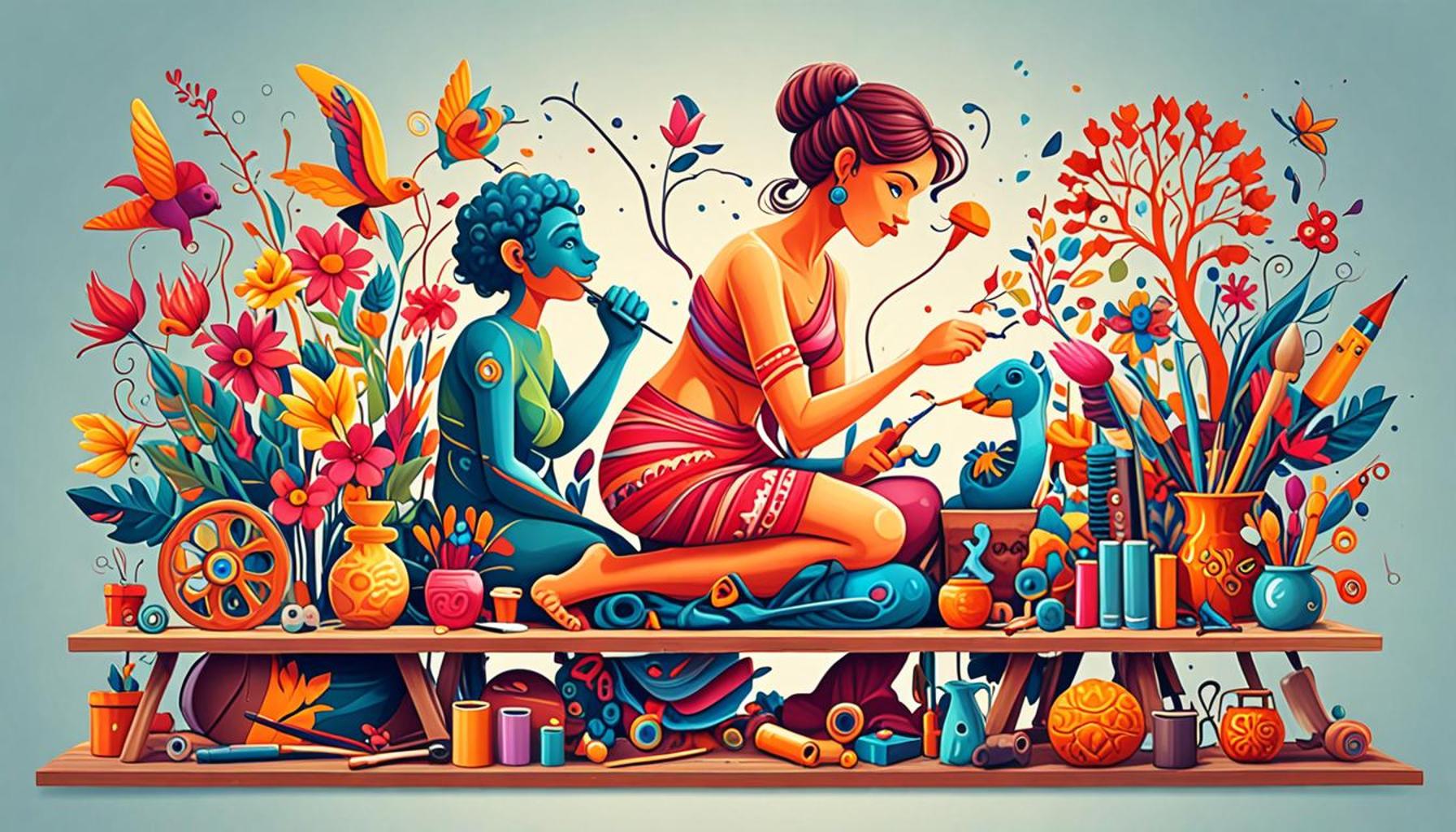
Rediscovering the Art of Crafting
In today’s fast-paced digital world, a remarkable trend is emerging: a resurgence of handicrafts. People are increasingly turning to manual hobbies as a way to unwind, express creativity, and connect with their roots. This evolution reflects not just a nostalgic longing for simpler times, but also a desire for authenticity in a mass-produced era.
This renaissance in crafting is manifested in various forms, including knitting, pottery, woodworking, and jewelry making. For example, Americans across the country are flocking to community workshops to learn how to knit their own scarves or create pottery pieces that reflect their individual style. Local craft stores often host classes where participants can learn these skills, fostering a supportive environment that nurtures creativity and skill development.
Several factors contribute to this crafts revival:
- Personalization: Handmade items often carry unique stories and emotions. A hand-knit sweater may imbue warmth not only from the fibers used but also from the love and time invested in creating it. Personal touches in crafting allow for a connection with the maker, something that mass-produced items lack.
- Mindfulness: Crafting serves as a therapeutic outlet, offering stress relief and mental focus. Engaging in manual activities like woodworking or painting can be meditative, providing individuals with a break from the relentless pace of modern life. Studies suggest that the act of creating can lower anxiety levels and promote feelings of well-being.
- Community Building: Crafting cultivates connections through workshops and online platforms. Social media channels, particularly Instagram and Pinterest, offer vast resources to aspiring crafters, where they can share their projects and connect with like-minded individuals. Craft clubs and local meet-ups allow people to form friendships while honing their skills and sharing ideas.
Modern artisans are harnessing technology to forge a new path for their crafts. Utilizing platforms like Etsy and social media, they are expanding their reach and redefining what it means to be a craftsman. Remarkably, this accessibility empowers individuals to share their passion for handmade goods with a global audience. Sellers report that their small home-based businesses have blossomed into full-time careers, illustrating the significant shift in consumer behavior towards valuing handmade, personalized products over mass-market options.
Moreover, the rise of sustainability practices plays a critical role in this transformation. By prioritizing eco-friendly materials and ethical production methods, craftspeople are aligning their work with contemporary values. Consider the artisans crafting with reclaimed wood or organic cotton—these choices not only reduce the environmental footprint but also resonate deeply with conscientious consumers. It’s evident that handicrafts are not just surviving; they are thriving in innovative ways, capturing the hearts of individuals seeking meaningful connections to their purchases and the artisans behind them.
DIVE DEEPER: Click here to discover more
The Modern Crafter: Blending Tradition with Innovation
As the landscape of handicrafts evolves, modern artisans are redefining their creative practices by incorporating contemporary tools and technologies into traditional crafting methods. This transformation is not simply about maintaining age-old techniques but also about enhancing them to meet the demands of today’s consumers. From the integration of digital design tools to the use of eco-friendly materials, the evolution of these practices illustrates how modern manual hobbies are adapting and thriving in unprecedented ways.
One of the most notable innovations in the handicraft sector is the advent of digital tools. Many artisans now use computer-aided design (CAD) software and laser cutting machines to push the boundaries of their creativity. This technology allows for precision and customization that was once unattainable with purely manual techniques. Artisans who once relied solely on their hands are now able to blend craftsmanship with technical skill, producing intricate designs that appeal to a broader audience. For instance, jewelry makers can create complex shapes that might be difficult to achieve by hand, attracting both art lovers and fashion enthusiasts alike.
Additionally, the crafting community is flourishing online, providing a platform for creators to showcase their work and reach customers around the globe. Social media platforms have revolutionized how artisans market and sell their products, allowing them to build brands that resonate with consumers seeking originality. Sites like Etsy have empowered crafters to transform their passions into profitable businesses. According to Etsy’s 2021 Economic Impact Report, nearly 60% of sellers are able to support themselves through their craft, underscoring the viability of handmade businesses in today’s economy.
The blending of traditional and modern practices has also given rise to new genres of handicrafts. For example, the concept of “upcycling” has gained traction, where artisans repurpose discarded materials into functional and artistic creations. From furniture made of reclaimed wood to handbags crafted from repurposed fabrics, these projects not only reflect creativity but also promote sustainability, appealing to eco-conscious consumers. The demand for upcycled goods speaks to a larger shift in consumer behavior, as individuals increasingly seek out products that tell a story and contribute to a circular economy.
- Craft and technology integration: Digital design tools and 3D printing provide new opportunities for artisans to expand their offerings.
- Online marketplaces: Etsy and similar platforms allow crafters to access global markets and build sustainable businesses.
- Eco-friendly practices: Upcycling and sustainable materials resonate with a growing population of environmentally conscious consumers.
The impact of these elements on the handicraft scene is profound. No longer confined to quaint local markets or craft fairs, today’s artisans can reach audiences far beyond their immediate communities. The modern crafter’s journey represents not just a personal endeavor but also a cultural shift—one that embraces innovation while celebrating the art of handmade creations. This harmonious blend is paving the way for the future of handicrafts, making it an exciting time for both creators and consumers alike.
As the tides of technology advance, traditional handicrafts are being reimagined, providing both artisans and hobbyists avenues to express their creativity in ways that were previously unimaginable. The integration of modern tools, such as 3D printing and digital platforms, has propelled these manual hobbies into the 21st century. Now, artisans can use sophisticated software to design intricate patterns or prototypes, which can then be translated into physical creations using cutting-edge techniques. This marriage of old and new technologies not only enhances the potential for artistic expression but also improves efficiency in production processes. Furthermore, the rise of social media plays a pivotal role in this evolution. Platforms like Instagram and Pinterest allow skilled artisans to showcase their work to a global audience, fostering communities where inspiration and collaboration thrive. Moreover, the demand for sustainable and personalized products is leading crafters to rethink their materials and techniques. Modern artisans are increasingly opting for eco-friendly materials, appealing to a conscious consumer base that values sustainability. This shift is vital as it reflects a growing trend where consumers favor unique, handcrafted items over mass-produced goods, enhancing the relevance of traditional crafts today. In this thriving landscape, workshops and courses have become more accessible, allowing people of all ages to learn and engage in manual hobbies. From pottery to woodworking, these creative outlets not only provide a sense of accomplishment but also serve as therapeutic activities that promote mental well-being. As a result, not only are individuals reconnecting with age-old traditions, but they are also cultivating skills that can lead to entrepreneurial opportunities.Through these transformations, the notion of handicrafts is evolving beautifully—melding tradition with modernity, creativity with commerce, and individual expression with community engagement. Embracing these changes opens doors for a vibrant future where the beauty of manual arts continues to shine brightly.
DIVE DEEPER: Click here to enhance your cooking skills
The Rise of DIY Culture: Empowering Individuality and Creativity
Another significant trend shaping the evolution of handicrafts is the rise of the DIY (Do It Yourself) culture, a movement that encourages individuals to create, customize, and personalize their belongings. This grassroots phenomenon has gained traction, especially in the wake of the pandemic, as many people turned to crafting as an outlet for creativity and self-expression while spending more time at home. DIY enthusiasts aren’t just consuming products; they are actively participating in the creation process, highlighting a deeper connection between makers and their creations.
Workshops, both in-person and online, have become hotbeds for this DIY spirit. Platforms like Skillshare and YouTube offer countless tutorials on everything from pottery to macramé, empowering individuals to explore their artistic side. Furthermore, community organizations and craft studios often host events that foster collaboration and skill-sharing among local crafters. These gatherings not only provide hands-on experience but also build a sense of belonging and connection, particularly important in an age where digital interaction dominates much of our communication.
Moreover, the resurgence of interest in traditional crafts—such as knitting, quilting, and woodworking—has ignited a movement that values both the process and the result. Many artisans are incorporating a personal touch to traditional methods, resulting in an intriguing blend of classic craftsmanship and contemporary ideas. By reimagining historic techniques, crafters are creating unique interpretations that resonate with modern aesthetics while preserving cultural heritages.
Another exciting development in the handicraft sphere is the increased use of social responsibility in crafting. Artisans are becoming more aware of their societal impact, often using their platforms to advocate for various causes, such as mental health awareness or social justice. For instance, initiatives like “Craftivism” blend crafting with activism, allowing creators to voice their beliefs and support their communities. This evolution is evident in various crafting circles, where members often contribute time and resources to meaningful projects that go beyond mere consumerism.
- DIY workshops and online platforms: These provide opportunities for people to learn new skills and foster creativity.
- Revival of traditional crafts: Artisans are blending historic techniques with modern designs, creating unique works that celebrate cultural heritages.
- Craftivism: Many craftsmen use their talents to support social causes, empowering communities through creative expression.
The melding of DIY culture with social consciousness has reinvigorated the handicraft scene, making it more relevant than ever. With more individuals engaging in hands-on creation and advocating for important issues, this new wave of crafting exemplifies an evolving landscape where art and purpose intersect. This movement not only champions individual expression but also forges relationships that strengthen communities—reminding us of the communal ethos at the heart of handmade arts.
DIVE DEEPER: Click here to uncover the impact of 3D printing on craftsmanship
Conclusion: The Resilient Nature of Handicrafts in the Modern Era
As we witness the evolution of handicrafts in the modern era, it becomes evident that manual hobbies are not merely surviving but thriving by adapting to contemporary contexts. The rise of DIY culture is fostering a spirit of creativity and innovation, encouraging individuals to engage in crafting as a means of personal expression and fulfillment. This newfound appreciation for craftsmanship is reflected in the growing popularity of workshops and online tutorials, providing accessible platforms for enthusiasts to develop their skills.
Furthermore, the revival of traditional crafts serves as a poignant reminder of the importance of history and cultural heritage in our rapidly changing world. By blending age-old techniques with modern design sensibilities, artisans are crafting unique pieces that resonate with today’s aesthetics while preserving important narratives. This fusion not only highlights individual artistry but also revives community bonds, reinforcing the social connections that are often lost in an increasingly digital landscape.
Ultimately, the emergence of craftivism illustrates how the handicraft movement is becoming a powerful vehicle for social change, allowing creators to make impactful statements through their work. This intersection of art and advocacy serves to empower both the makers and the communities they impact. The contemporary handicraft landscape is rich with possibilities, continuously pushing the boundaries of creativity and redefining what it means to be a maker in our society. As we move forward, we can anticipate exciting developments that will further transform the world of manual hobbies, strengthening their place in the modern narrative.

Linda Carter
Linda Carter is a writer and creative hobbies expert specializing in crafting, DIY projects, and artistic exploration. With extensive experience helping individuals discover their creative potential and bring their ideas to life, Linda shares her knowledge on our platform. Her goal is to empower readers with practical tips, inspiring ideas, and step-by-step strategies for success in the world of creative hobbies.