The Influence of Social Media Platforms on the Evolution of Creative Hobbies
The Influence of Social Media on Creative Expression
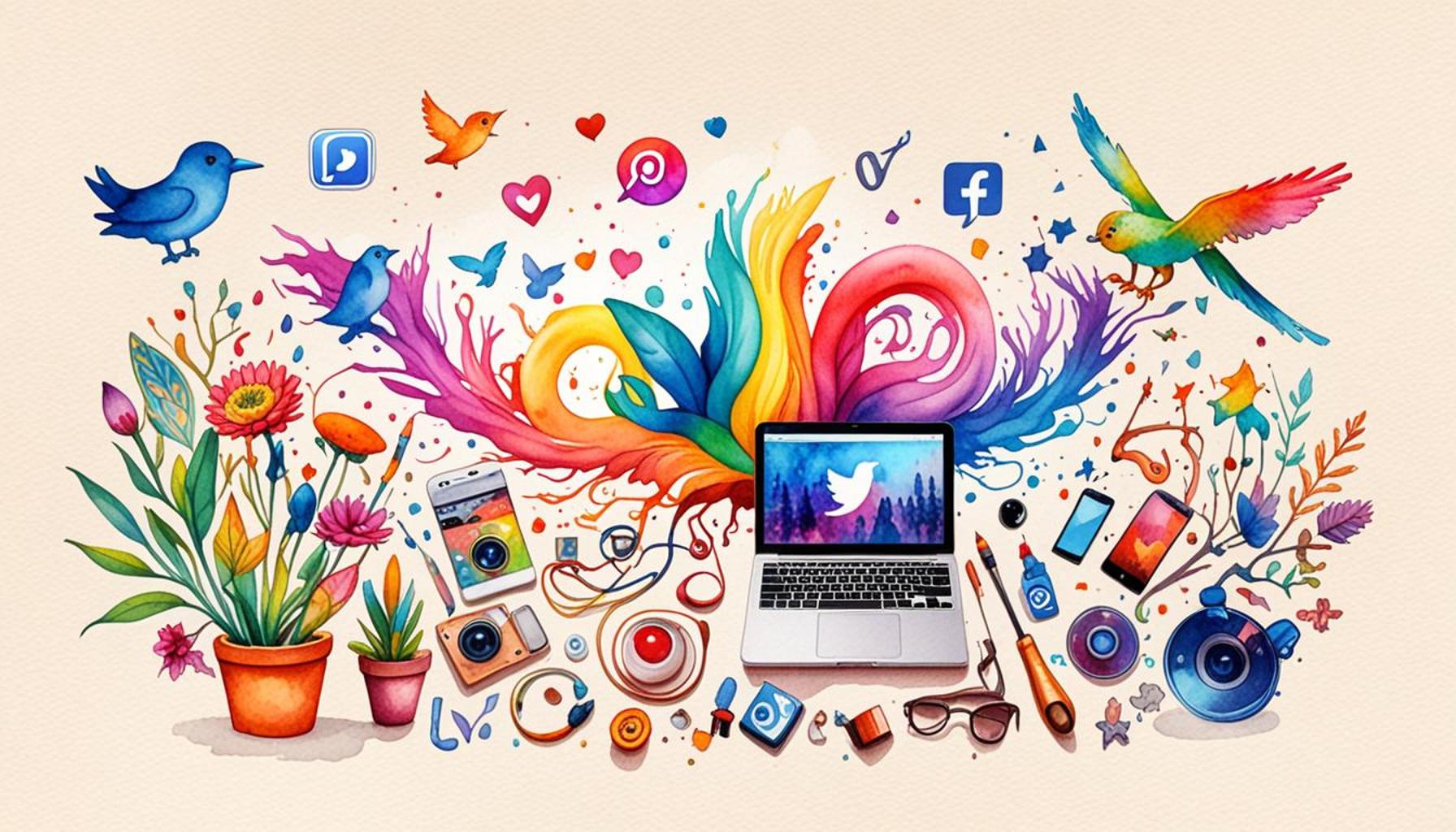
In today’s fast-paced digital landscape, social media platforms have indelibly altered the nature of creative expression. Artists, crafters, and hobbyists have transitioned from largely being confined to local communities to having instant access to a global audience. This profound shift not only broadens the audience reach but also cultivates a rich environment for inspiration, collaboration, and innovation among diverse creative circles.
For instance, platforms like Instagram and Pinterest have emerged as vibrant visual showcases where creativity knows no bounds. Users can share everything from intricate paintings to DIY home decor projects, with millions of potential viewers at their fingertips. The visual nature of these platforms encourages artists to present their work in polished, engaging formats. This is further enhanced by features such as Stories and Reels, which allow users to create behind-the-scenes content and share their creative processes, fostering a deeper connection with their audience.
Additionally, YouTube stands out as a pivotal resource for aspiring and established creators alike. With a wealth of tutorials available, users can easily acquire new skills or refine existing ones. A beginner looking to learn watercolor painting can find hundreds of step-by-step tutorials tailored to their skill level, often from across the globe, showcasing techniques that may not be readily available in traditional art classes.
Furthermore, Facebook groups serve as invaluable hubs for niche communities, forming support networks where individuals can share resources, provide feedback, and collaborate on projects. For example, a group dedicated to knitters may facilitate a communal project where members contribute squares to create a blanket for charity, blending creativity with social impact.
Trends Shaping the Creative Landscape
The evolution of creative hobbies in the age of social media has uncovered several noteworthy trends. First, there is an increased visibility for lesser-known crafts, helping to revive traditional methods and introduce regional techniques to a broader audience. From candle-making to leatherworking, artisans are now able to share their unique crafts and gain recognition within an expansive community.
Second, the real-time feedback provided by social media acts as a significant motivator for creators. Comments and likes offer immediate validation, encouraging artists to continue their creative endeavors and experiment with new styles. This instant interaction fosters a sense of community and shared journey among creators, making the artistic process feel more collaborative.
Lastly, social media grants unprecedented access to a vast array of skills and techniques. From watching live painting sessions to participating in virtual craft fairs, individuals can learn from the best, irrespective of geographical boundaries. This interconnectedness not only enriches individual artistic journeys but also leads to an eclectic blend of ideas and styles, propelling creative expression into exciting new directions.
As we move forward in an increasingly digital world, the impact of social media on creativity is undeniable. Understanding how these platforms shape our creative outlets is essential for anyone eager to explore new artistic avenues and harness the full potential of their creative spirit. With so many resources at hand, the path to discovering and developing unique artistry is more accessible than ever.
DISCOVER MORE: Click here to learn about the transformative power of art
Emerging Opportunities through Social Media
The advent of social media platforms has unlocked new avenues for creative expression and learning that were previously unimaginable. Artists and hobbyists across the United States and around the world are not just sharing their finished projects; they are inviting others into their creative journeys. This openness transforms how hobbies are perceived and practiced, engendering a culture of creativity that is both dynamic and ever-evolving.
Firstly, we can observe a significant shift towards collaboration and community-building. Platforms like Instagram and Facebook have enabled creators to connect with others who share similar interests, blurring the lines between artist and audience. Numerous groups and hashtags provide spaces for creators to engage in collaborative projects. For example, the popular hashtag #Inktober challenges artists to create a new ink drawing every day in October, fostering participation and a sense of community as creators share their work and encourage one another.
Moreover, the concept of inspiration and influence has evolved dramatically. With users able to follow thousands of creators, the influx of diverse styles and techniques has encouraged many to adopt and adapt new methods in their work. Influencers and micro-influencers alike play vital roles in this ecosystem, showcasing unique crafts—from resin art to bullet journaling—that can quickly become trends, shifting the collective focus of creators toward these new hobbies.
- Visual Storytelling: Social media encourages artists to narrate their creative processes, allowing stronger connections with their followers.
- Virality of Trends: A simple post can spark viral trends, leading to widespread participation in creative challenges across platforms.
- Access to Diverse Techniques: Enthusiasts can learn from creators worldwide, adapting styles from different cultures and traditions to create something uniquely theirs.
In addition to collaboration and inspiration, the element of monetization has become a significant factor for many hobbyists. Platforms like Etsy and Patreon allow creators to sell their works or offer exclusive content to their fans. This economic aspect has incentivized many individuals to turn their passions into viable income streams, propelling the growth of creative hobbies into small businesses and entrepreneurial ventures.
Furthermore, the range of tools available on social media continues to expand, enabling creators to enhance their craft. With features like augmented reality filters and effects on TikTok and Instagram, users can create engaging content that stands out in crowded feeds. As a result, creators are honing their skills in not just their crafts but also in digital storytelling and marketing, preparing them for success in a competitive landscape.
The influence of social media platforms on creative hobbies is unmistakable. As these platforms continue to develop, the potential for artists and hobbyists to experiment, collaborate, and thrive in their creative endeavors will only increase. With so many resources and connections just a click away, now is the perfect moment for aspiring creators to fully embrace the opportunities presented by this digital age.
The Impact of Social Media on Creative Communities
The rise of social media platforms has undeniably transformed the landscape of creative hobbies. As creators flock to platforms like Instagram, YouTube, and TikTok, they find not only an audience but also a vibrant community. These platforms serve as a virtual marketplace for inspiration, where users can share their creations, garner feedback, and collaborate. This phenomenon has led to an extraordinary surge in the popularity of creative hobbies such as photography, painting, and crafting.Moreover, social media facilitates the discovery of new trends and techniques that may have otherwise gone unnoticed. With hashtags and viral challenges, artists and hobbyists can connect and mobilize around shared interests, fostering a culture of innovation. For instance, the art of bullet journaling saw a meteoric rise in popularity thanks to dedicated social media groups where enthusiasts showcase their layouts and share tips. Furthermore, platforms encourage accessibility. Aspiring creatives, regardless of their geographical location or financial constraints, can now tap into a wealth of resources and tutorials available online. This access is crucial for skill development, allowing users to learn from established influencers, watch real-time demonstrations, or even join online workshops.In this rapidly evolving digital age, the boundaries between professional and amateur creators are increasingly blurred. Social media not only democratizes artistry but also offers monetization opportunities through sponsorships and merchandise sales. It has become common for individuals to turn their hobbies into profitable ventures, illustrating the profound economic impact social media has on creative industries.The evolution of creative hobbies in this interconnected world raises fascinating questions about authenticity and creativity. Can a platform that thrives on trends truly foster innovation? Or does it homogenize artistic expression? As we delve deeper into the conversation surrounding the influence of social media on creative hobbies, one thing remains clear: these platforms are not just tools for connection but catalysts for change and evolution in the arts.
DISCOVER MORE: Click here to dive deeper
The Democratization of Creativity
Another noteworthy influence of social media platforms on the evolution of creative hobbies is the democratization of creativity. Historically, access to art supplies, equipment, and educational resources could be prohibitive due to cost or availability. However, platforms like YouTube and Pinterest have become repositories of knowledge and inspiration, allowing creative individuals from all backgrounds to explore and develop their talents. For instance, a beginner may learn to paint or knit by following tutorials from established artists or hobbyists who generously share their skills online.
Cost-effective resources have also proliferated due to social media’s influence. Online marketplaces and craft supply websites frequently highlight budget-friendly equipment and materials, helping to remove barriers that once prevented individuals from pursuing their hobbies. This shift has encouraged a more inclusive culture of creativity where everyone can participate, regardless of their economic situation. As social media influencers reveal their favorite affordable supplies or highlight DIY techniques, aspiring creators are drawn into the fold with the idea that creativity need not come with a hefty price tag.
- Access to Online Workshops: Many creators and organizations offer virtual workshops on platforms like Facebook Live or Instagram Live, enabling individuals to learn directly from experts without geographical limitations.
- Showcasing Diverse Voices: Social media allows underrepresented artists to gain visibility, providing a platform to share their cultures and stories through their craft.
- Feedback and Growth: With the ability to receive immediate feedback through comments and shares, creators can refine their techniques and styles much faster than traditional methods might allow.
Additionally, the global connectivity fostered by social media platforms presents a unique avenue for cultural exchange in creative hobbies. For example, a photographer in the United States can collaborate with a clay artist in Japan, merging techniques and styles that might never have met in a traditional artistic community. This blending of cultural traditions has given rise to new, hybrid forms of creative expression that reflect a globalized society. As more creators embrace the myriad influences available online, we are seeing the emergence of entirely new art forms that challenge conventional structures.
The allure of viral challenges across social media platforms further amplifies participation and engagement in creative hobbies. Consider the popularity of challenges such as the #ArtChallenge or the #30DaysOfDrawing, which encourage participants to share daily creative endeavors. These trends not only inspire creators but also foster a sense of accountability and community engagement as participants boost each other’s enthusiasm. The ‘like’ and ‘share’ features on these platforms act as incentives, creating a positive feedback loop that propels more participants to join in and experiment with their craft.
As we navigate through this digital age, the profound impact of social media on the development and proliferation of creative hobbies cannot be overlooked. Allowing for real-time interaction and accessibility, these platforms have redefined traditional notions of creativity and participation. Hobbyists no longer feel isolated; instead, they find empowerment and motivation within a vast community that spans borders and disciplines. Ultimately, the intersection of social media and creativity heralds an exciting era for aspiring creators, inviting them to explore new possibilities within a well-connected global landscape.
DISCOVER MORE: Click here to learn about building creative natural shelters
Conclusion: The Transformative Power of Social Media in Creative Pursuits
In conclusion, the impact of social media platforms on the evolution of creative hobbies has been nothing short of transformative. By bridging gaps between creators and enthusiasts from diverse backgrounds, these platforms have fostered a vibrant, inclusive culture that celebrates creativity in all its forms. The democratization of access to tutorials, resources, and inspiration has empowered individuals to express themselves without the constraints of traditional barriers. As platforms like YouTube and Pinterest continue to showcase talent and innovation, they also facilitate connections that transcend geographical boundaries, encouraging cross-cultural collaborations that fuel artistic transformation.
Moreover, the surge of online workshops and the visibility afforded to underrepresented voices have enriched the creative landscape, making it more representative and diverse. The feedback loops created through likes, shares, and comments facilitate rapid growth and refinement, emphasizing that creative expression can thrive in community-led environments. As viral challenges inspire camaraderie and engagement, they reinforce the idea that creativity is not restricted to the well-established but is an open field for all.
As we move forward, it is essential to recognize the role of social media not merely as a tool, but as a catalyst that has reshaped how we perceive and engage in creative hobbies. This intersection of technology and artistry invites endless possibilities for future creators and enthusiasts alike, driving innovation towards uncharted territories. The creative journey today is not just about self-expression; it’s about being part of a dynamic dialogue that inspires, educates, and connects individuals across the globe, making the realm of creative hobbies an ever-evolving masterpiece.